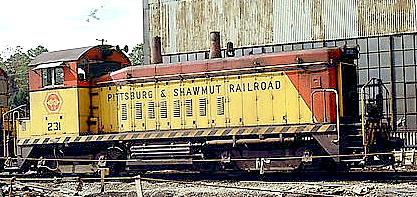
Here’s P&S 231 next to the Brookville engine shop in 1973, the original three nose stripes were made into a solid design when the red and yellow paint scheme was freshened up.

In the mid 1970’s the switchers began being repainted for the 1976 Nation’s Bicentennial, the 231 became 1775 and was named Independence. Originally one or two units were intended, but everyone loved the idea so much all nine switchers and GP7 357 were painted red, white, and blue. They were also given either patriotic names or names from the gun industry. The names were later painted over.
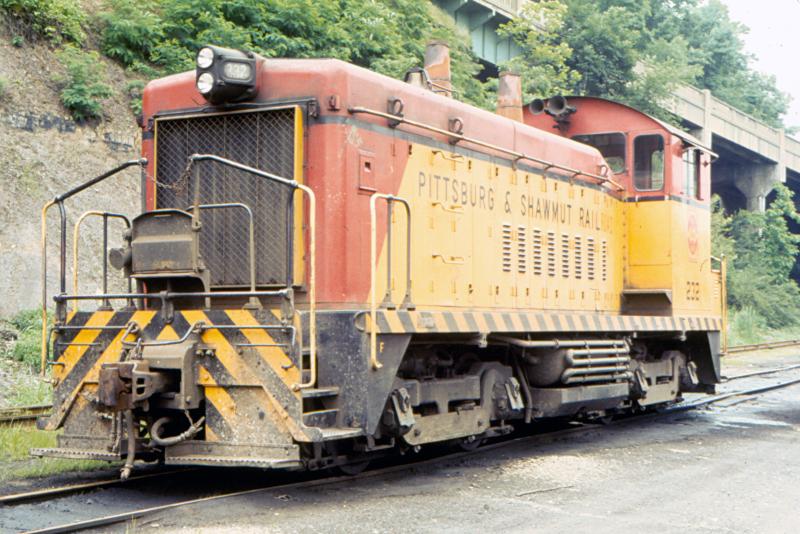
The 232 was seen here resting at Kittanning, it’s original three nose strips had been filled in to a solid mass with a touch up of the red and yellow paint scheme.

The 232 became 1866 and is seen here on the Red Bank RR running cab forward. The red, white, and blue scheme originally included names, the separate page with engine number cross reference and info includes the names which over the years were painted over.
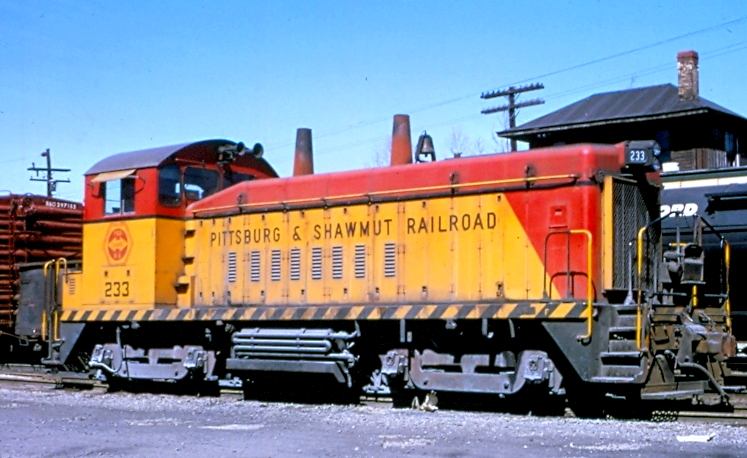
Next up was the 233, this is a rare photo when the unit was leased out and is seen at Allentown.
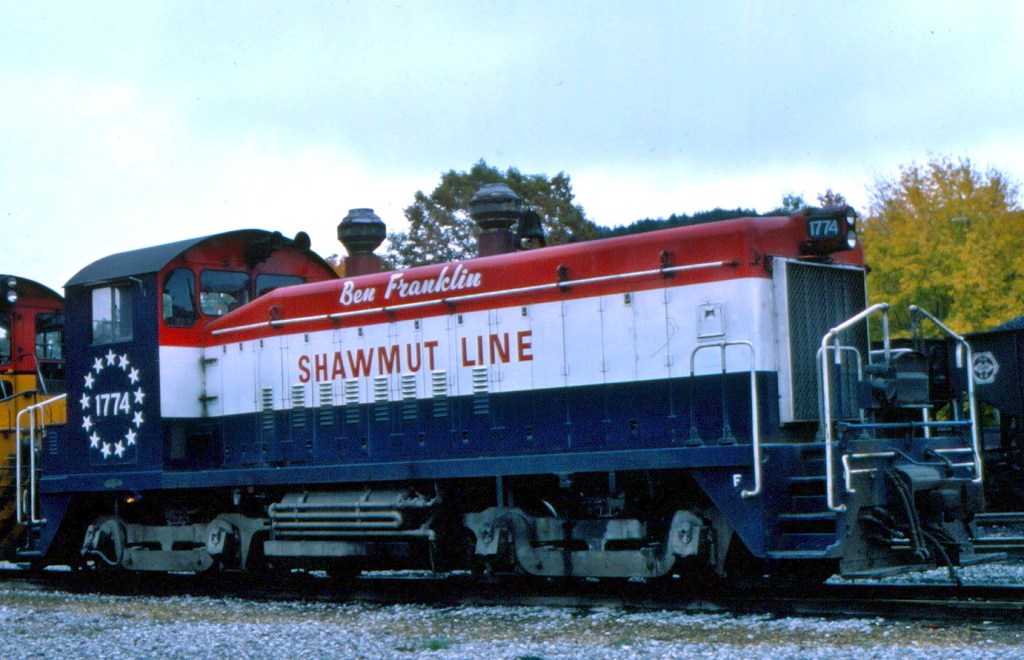
In the Bicentennial era 233 was 1774 and named Ben Franklin, here it was lashed up with one of the SW9’s that hadn’t been repainted yet.
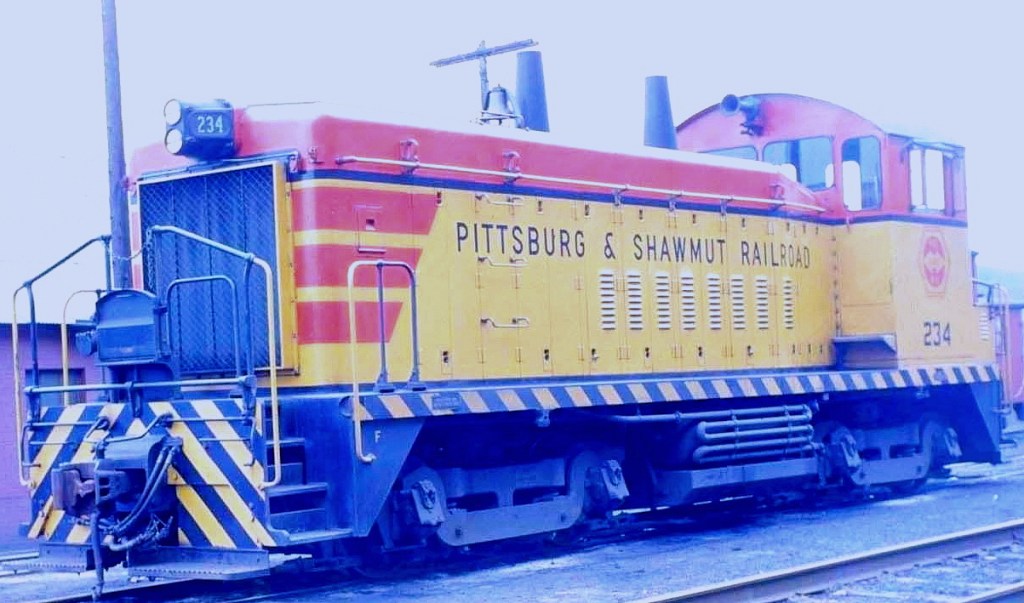
Next in line was the 234 at Kittanning, this was the original paint scheme which had been freshened up.
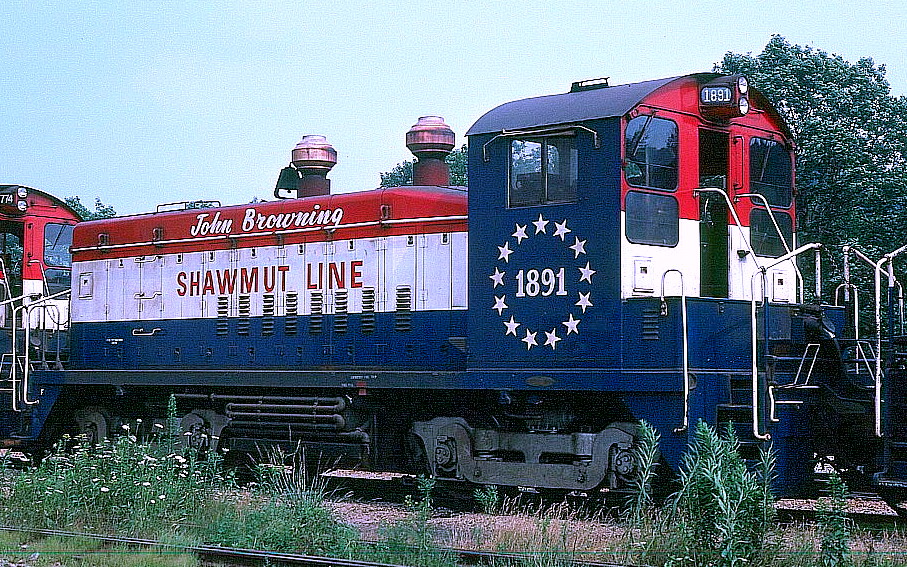
In it’s next life 234 was named John Browning and numbered 1891.
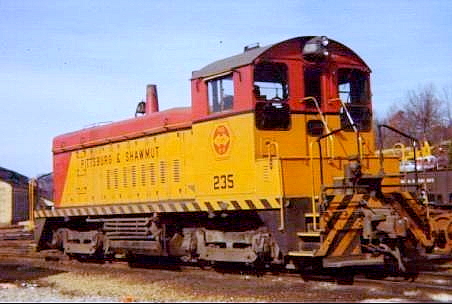
Here’s the 235 at Brookville after a red and yellow paint freshening, the three nose stripes were now solid red and “Railroad” was let off. Those red & yellow units without Railroad, some had the & and some had the word “and.”
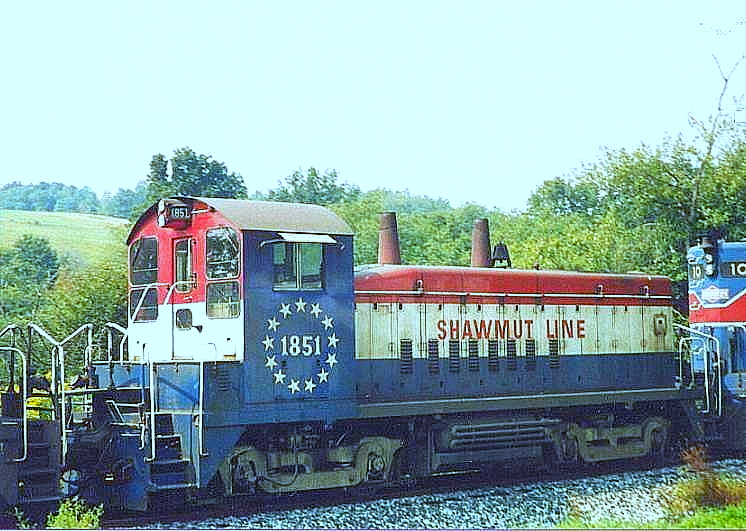
Here’s the 1851, formerly 235, this is on the Red Bank RR in the later years after the P&S took over the LEF&C then the Low Grade.
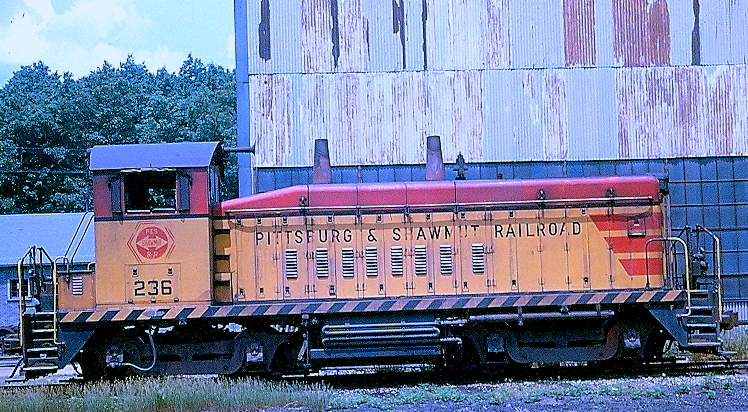
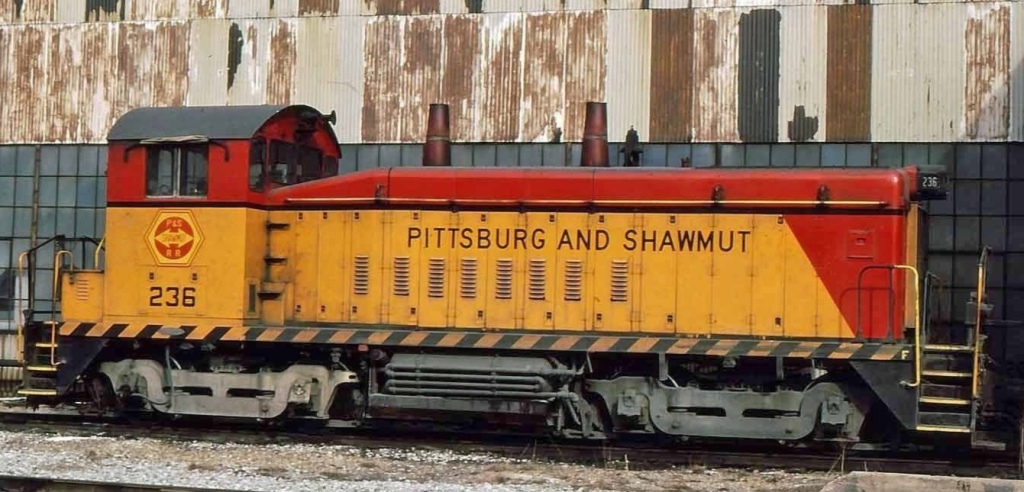
Here’s the 236 at “BV” in the original red-yellow scheme, don’t know if this was actually the factory paint or it had been freshened up here.
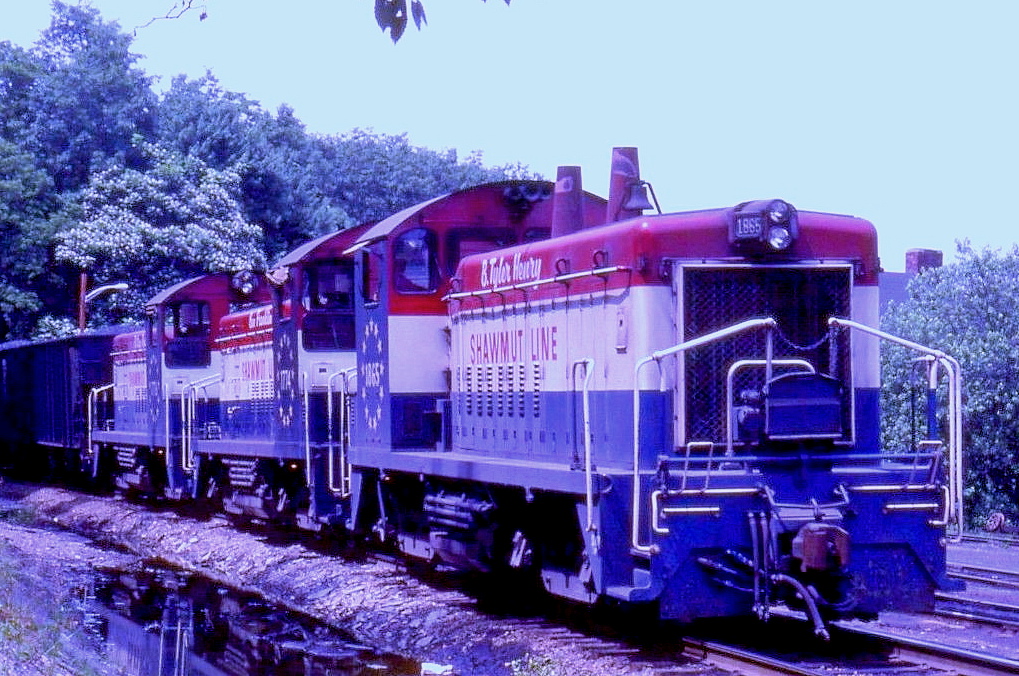
B. Tyler Henry was the name of the 1865 after the 236 got the Bicentennial paint seen here at Kittanning teamed up with two sister switchers.
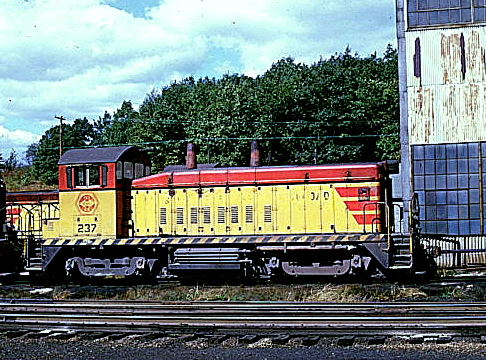
In the early 1970’s P&S 237 was at “BV” in original pain although the lettering had worn away.

As the mid 1970’s approached the 237 became 1949, it’s chilling in the snow at BV here years later.
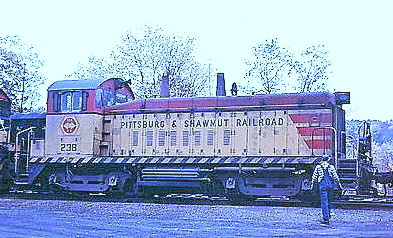
Here’s P&S 238 in the 1960’s in the original red and yellow paint.
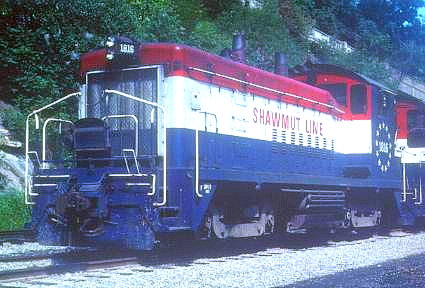
The 238 became 1816 in the Red, White, & Blue paint era seen at Kittanning
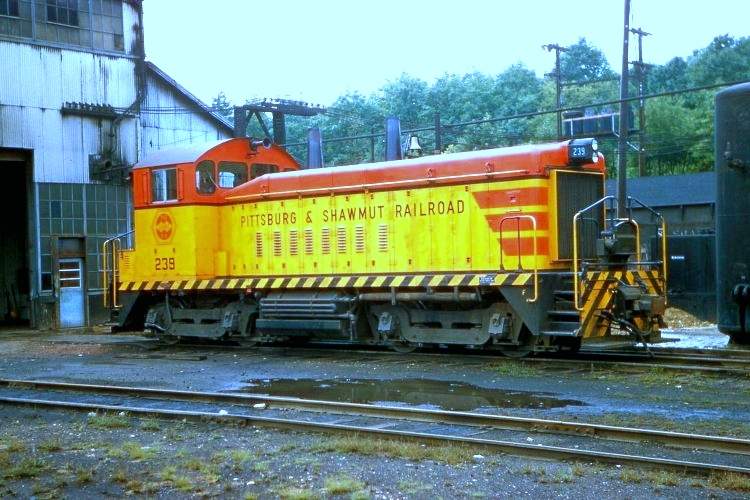
The most famous locomotive of the Pittsburg & Shawmut had to be the 239 since in the mid 1970’s it became number 1776 and named Betsy Ross as the switchers began getting repainted from red & yellow to red, white, & blue. Here’s the 239 in 1954 at Brookville still looking pretty good!
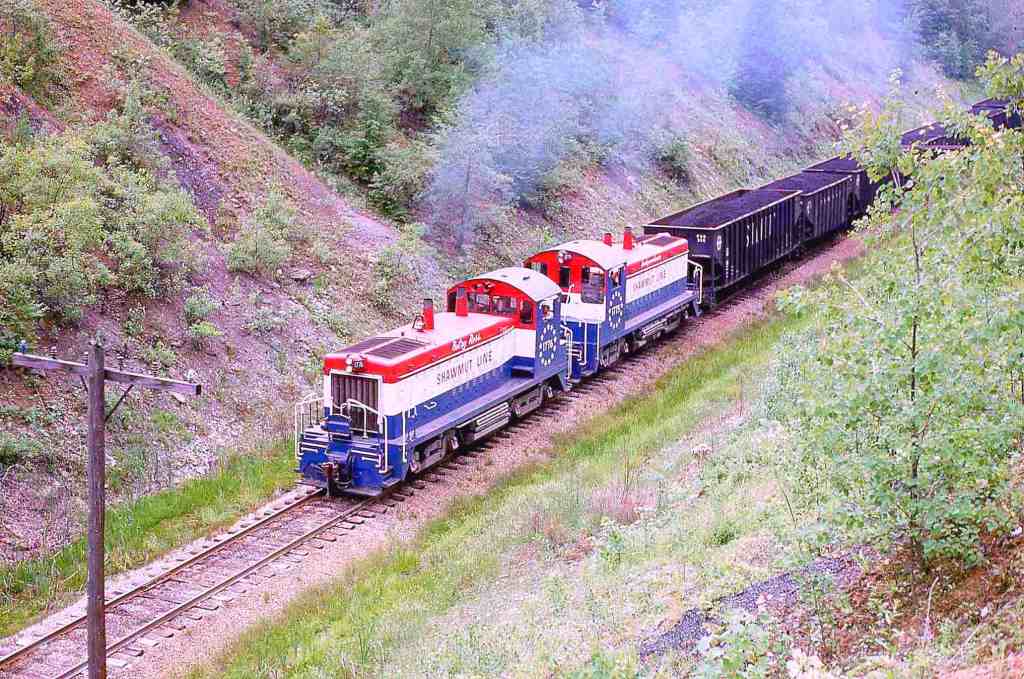
Kurt Reisweber caught 1776 Betsy Ross and 1775 Independence in the Knoxdale area soon after they were put in service in their new paint jobs. An interesting and somewhat oddity is the first hopper car, one of those that just had the word SHAWMUT centered.
 PITTSBURG & SHAWMUT